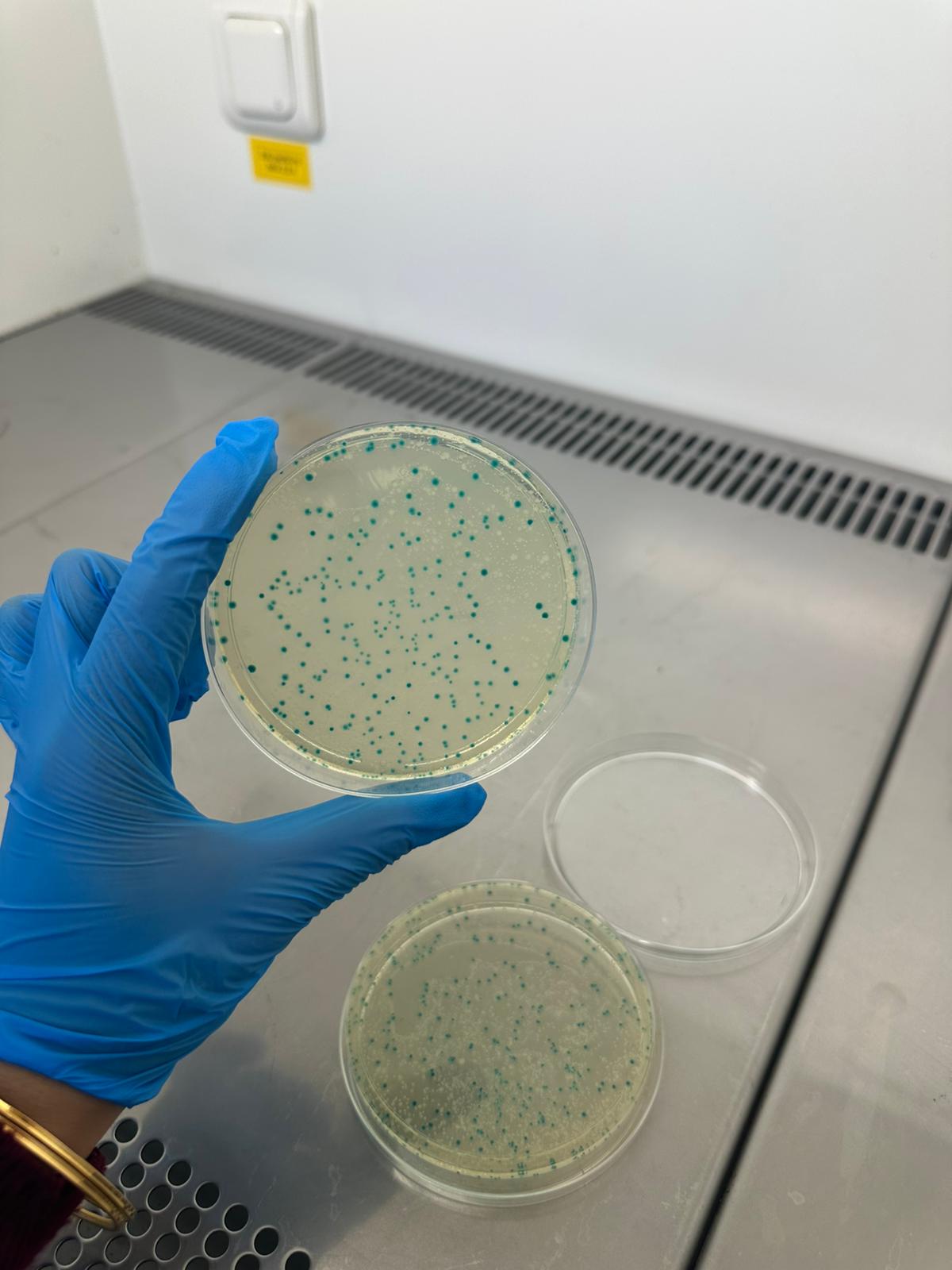
Why is it tested?
Because a facility’s water can be clear and chlorinated while the bacterium grows in a low-flow branch; the risk only becomes visible by sampling that point.
Where does the bacterium live?
According to WHO the agent is Legionella bacteria, primarily Legionella pneumophila. The bacteria live and grow in water systems at temperatures of 20 to 50 °C, with an optimum of 35 °C.
Contaminated sources include air-conditioning cooling towers, hot and cold water systems, humidifiers and whirlpool spas. That list maps almost one-to-one onto the technical infrastructure of an accommodation business.
Why does the route of transmission matter?
WHO states that the most common form of transmission is inhalation of contaminated aerosols. No person-to-person transmission has been documented. Aspiration of contaminated water can also cause infection.
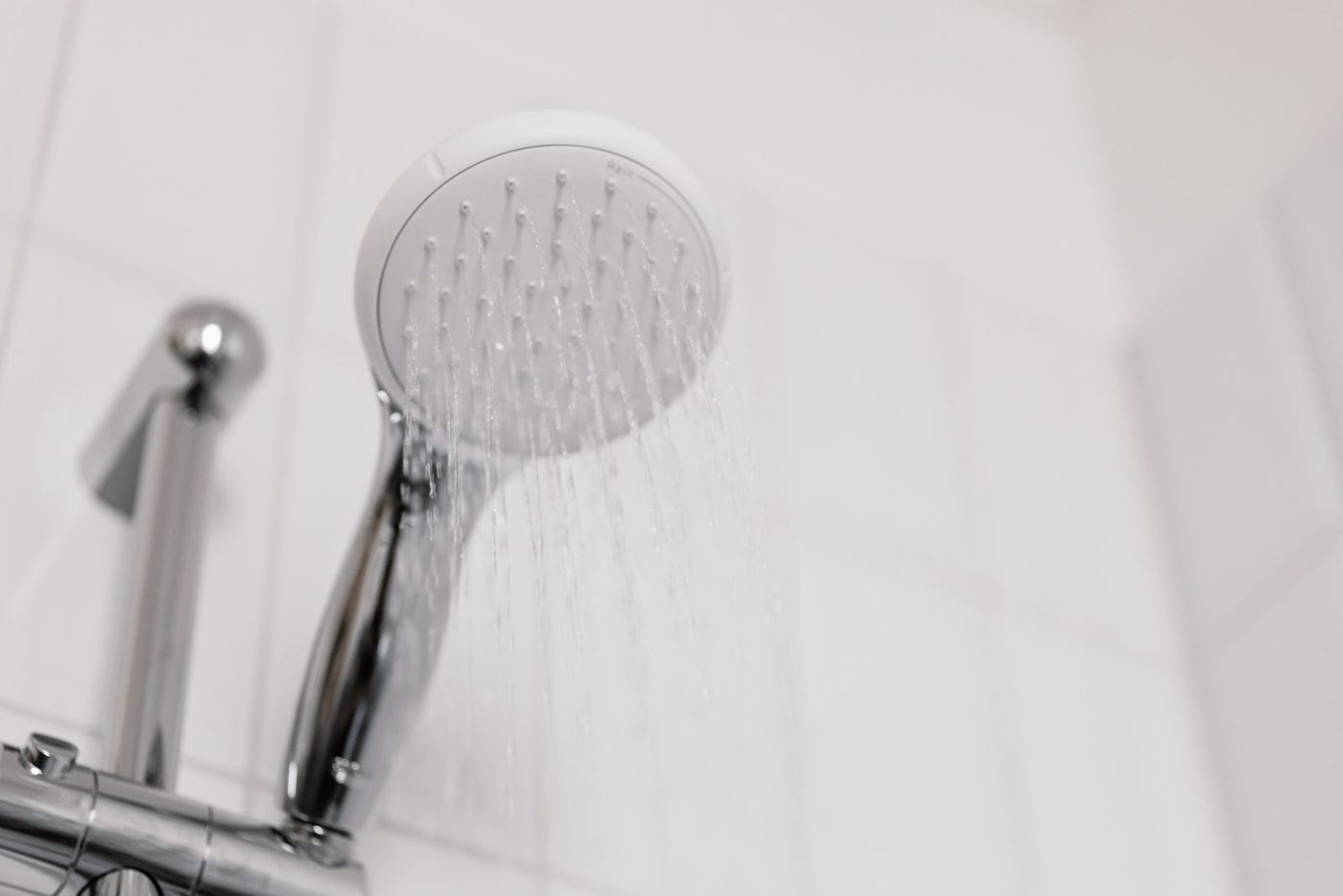
The consequence is this: water being drinkable is not a guarantee. Every point that generates aerosols — a shower, a spa, a decorative fountain, a cooling tower — is a separate risk point, and the sampling plan is built around those points.
The incubation period is 2–10 days, and up to 16 days has been recorded in some outbreaks. A guest may fall ill a week after leaving the facility; the link can only be established if the facility has its own monitoring records.
How severe is the illness?
The initial presentation is fever, headache, malaise and lethargy. According to WHO, up to 50% of patients develop phlegm and about one third experience haemoptysis.
The death rate may be as high as 40–80% in untreated immunosuppressed patients and can be reduced to 5–30% through appropriate case management. Overall mortality is usually within the range of 5–10%.
Between 75 and 80% of cases are over 50 years of age and 60–70% are male. Immunocompromised patients face the highest risk.
The two ends of control: temperature and disinfection
WHO’s control measures are explicit: keep hot water above 50 °C and cold water below 25 °C, and carry out regular cleaning, disinfection and biocide treatment.
Those two limits amount to staying outside the bacterium’s 20–50 °C growth range. In practice the hardest part is dead legs that sit at intermediate temperatures: rooms left unused for long periods, blocks closed out of season, long pipe runs.
Legionella testing is therefore not a one-off certificate exercise but a monitoring programme. A “compliant” result shows the state of that point on that date; when the system changes, so does the picture.
Legionella analysis takes longer to complete than other microbiological parameters; the sampling plan has to be built around that.
Sources
- [1] Legionellosis — fact sheet — Dünya Sağlık Örgütü (WHO) (retrieved 31 August 2026)
The medical and legal information in this article is taken from the sources listed above and is not diagnostic or treatment advice. Figures are reproduced as published in those sources.