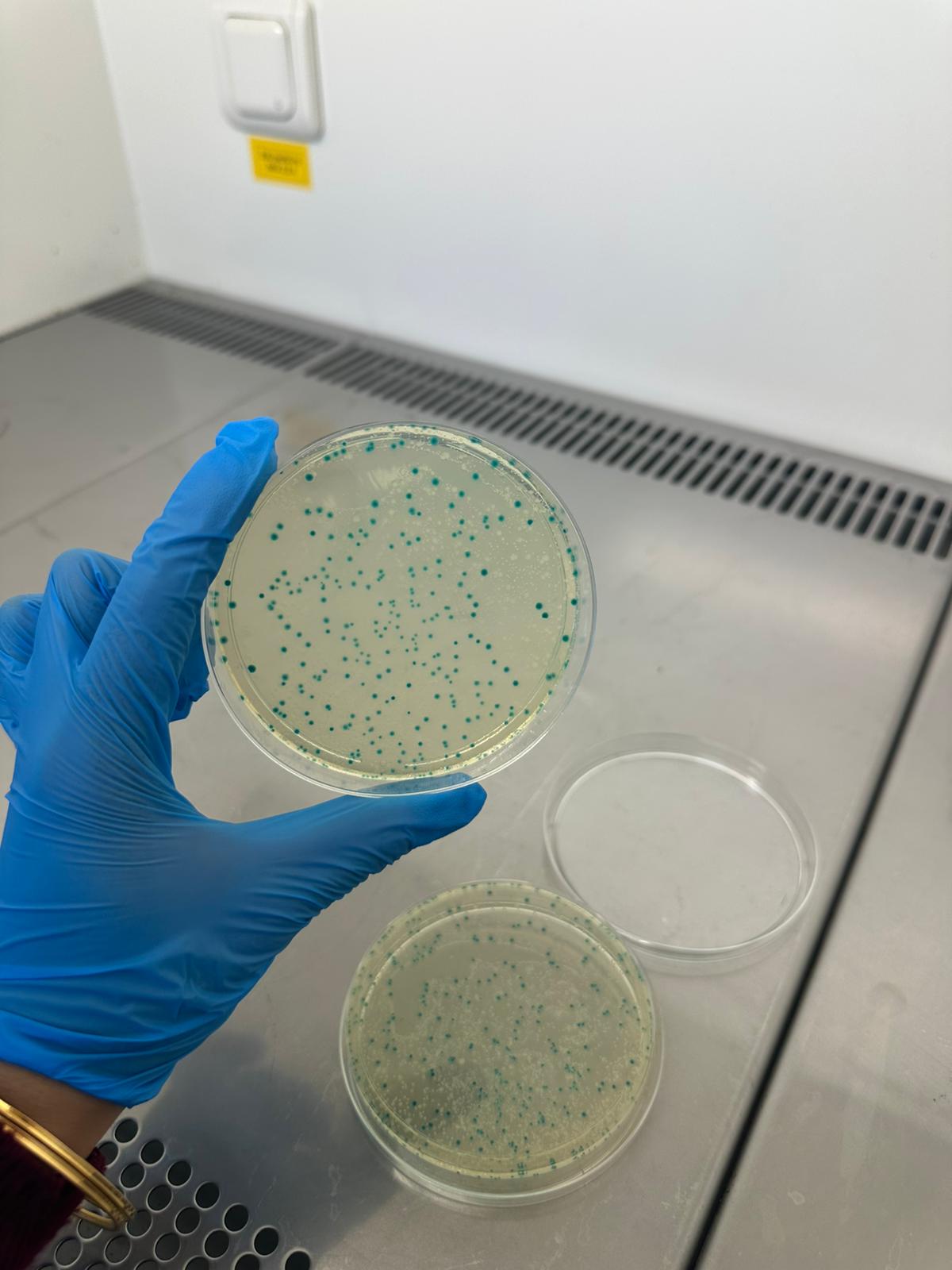

Why is it tested?
Because these three compounds are the first chemical signs that agricultural fertiliser or wastewater has entered the water source.
Where does it come from?
According to WHO’s drinking-water guidelines, nitrate can reach both surface water and groundwater as a consequence of agricultural activity: excess application of inorganic nitrogenous fertilisers and manures, wastewater disposal, and oxidation of nitrogenous waste products in human and other animal excreta, including septic tanks.
Nitrite is not usually present at significant concentrations except in a reducing environment. It can form by microbial reduction of nitrate. It can also form chemically in distribution pipes, through Nitrosomonas bacteria during stagnation of nitrate-containing, oxygen-poor drinking-water in galvanised steel pipes.
And this is exactly where ammonium comes in: according to WHO, an excess of free ammonia entering the distribution system can lead to nitrification and the potential increase of nitrate and nitrite in drinking-water. That is why the three parameters are measured together.
Whom do the guideline values protect?
WHO’s values and their bases are explicit:
Nitrate: 50 mg/l (as nitrate ion) — to be protective against methaemoglobinaemia and thyroid effects in the most sensitive subpopulation, bottle-fed infants, and consequently other population subgroups.
Nitrite: 3 mg/l (as nitrite ion) — to be protective against methaemoglobinaemia induced by nitrite from both endogenous and exogenous sources in bottle-fed infants, the most sensitive subpopulation, and consequently the general population.
Combined: the sum of the ratios of the concentration of each of nitrate and nitrite to its guideline value should not exceed 1. Each can be below its own limit while the two together exceed it.
That last rule is often missed: if two results each look compliant but the summed ratio exceeds 1, the water is not compliant. The two values have to be assessed together when reading the report.
Why infants?
For two reasons. First, gastrointestinal bacteria convert nitrate into nitrite, and nitrite binds to haemoglobin to cause methaemoglobinaemia. Second, the amount and activity of the NADH-dependent methaemoglobin reductase that reduces methaemoglobin are deficient in infants until approximately six months of age.
A share-of-exposure argument sits on top of that: according to WHO, the most important source of nitrate and nitrite for the general population is the diet — vegetables, and nitrite used as a preservative in cured meats. But for bottle-fed infants, drinking-water can be the major external source of exposure.
Which value appears on the report?
The values above are World Health Organization guideline values. In Türkiye a drinking and utility water sample is assessed against Annex 1 of the Regulation on Waters Intended for Human Consumption; those are the figures shown in the “regulatory value” column of your report.
The two do not agree for every parameter. For nitrate they coincide: both 50 mg/L. For nitrite they diverge — the WHO guideline value for long-term exposure is 3 mg/l, while the regulation sets 0.50 mg/L at the tap. The regulation is six times stricter, and it is the one that governs the report.
Ammonium appears in the regulation as an indicator parameter with a limit of 0.50 mg/L. An indicator parameter does not by itself define a health risk; exceeding it signals a problem at the source or in treatment — and because ammonium is the freshest end of the nitrogen chain, its early-warning value is high.
The rule that the sum of the nitrate and nitrite ratios must not exceed 1 also appears in the regulation, but it is defined for the water treatment process, and the same note requires nitrite to meet 0.10 mg/L at the treatment plant outlet.
Sources
- [1] Guidelines for Drinking-water Quality — Nitrate and nitrite chemical fact sheet — Dünya Sağlık Örgütü (WHO) (retrieved 1 September 2026)
- [2] Regulation on Waters Intended for Human Consumption, Annex 1 (Official Gazette, 17 February 2005, No. 25730) — Resmî Gazete (retrieved 6 September 2026)
The medical and legal information in this article is taken from the sources listed above and is not diagnostic or treatment advice. Figures are reproduced as published in those sources.