Why is it tested?
Because it is the one major food pathogen that multiplies in the cold: its numbers can rise in a product assumed safe for its whole shelf life.
Why is it different from the others?
WHO’s fact sheet states plainly what separates Listeria monocytogenes from most foodborne pathogens: the bacterium can survive and multiply at the low temperatures usually found in refrigerators.
In practice that means a post-production instruction to “keep refrigerated” is not a solution for this agent, only a brake. A product can carry a higher Listeria load towards the end of its shelf life than it did at production. That is why when the sample is taken — at production or at the end of shelf life — changes what the result means.
Which products are high risk?
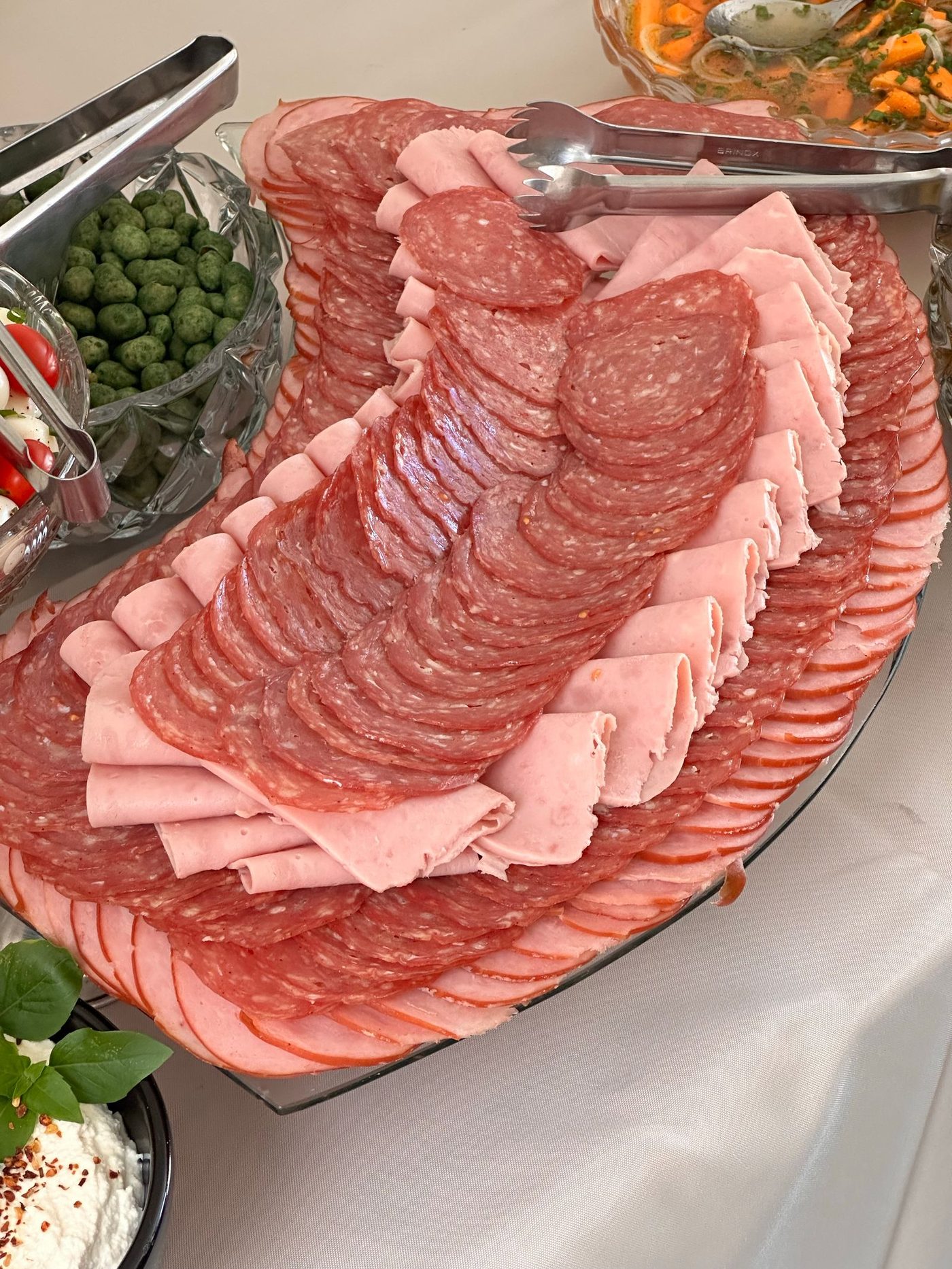
WHO lists delicatessen products and ready-to-eat meat products, soft cheeses and cold-smoked fishery products among the high-risk foods. Past outbreaks involved frankfurters, paté, smoked salmon, fermented sausages, unpasteurised dairy products and prepared salads.
Note what they share: none of these products receives a heat treatment before reaching the consumer. There is no final step in the food itself that would kill the bacterium; safety rests entirely on production hygiene, the cold chain and the shelf life that has been set.
Who becomes seriously ill?
According to WHO, non-invasive cases present with diarrhoea, fever, headache and myalgia. Invasive listeriosis extends to fever, myalgia, septicaemia and meningitis, with a fatality rate of 20–30%.
The risk group is clear: pregnant women, newborns, the elderly and immunocompromised people. WHO states that pregnant women are 20 times more susceptible, and that people living with HIV are at least 300 times more likely to fall ill.
The incubation period is a problem of its own: for invasive disease it is typically one to two weeks, but can range from a few days up to 90 days. Linking a case to a food from three months earlier is close to impossible unless records were kept.
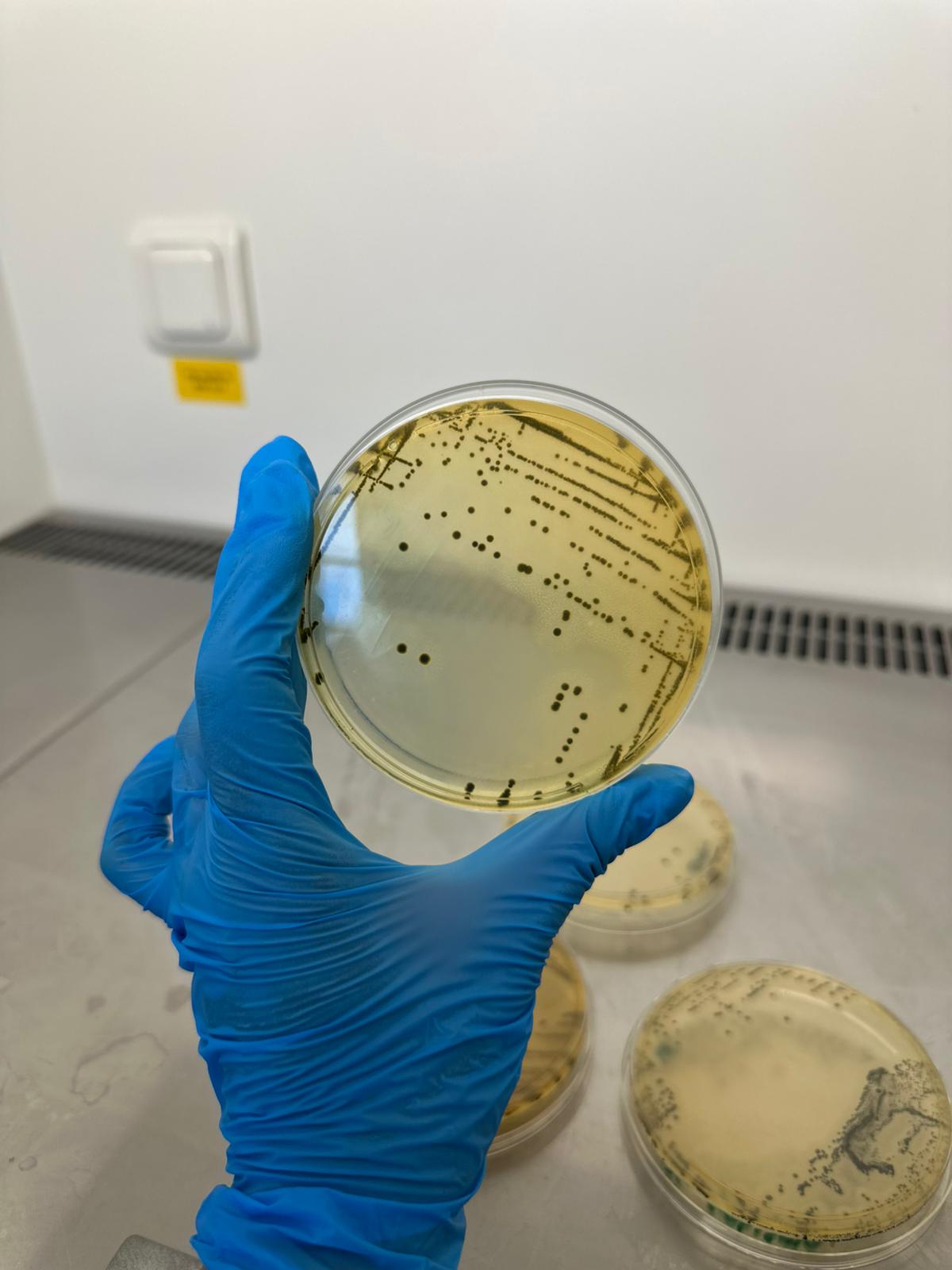
That is why Listeria is looked for not only in the product but in the production environment: drains, slicers and cold-room surfaces are where the bacterium establishes itself. Surface swab sampling therefore sits alongside product testing, not instead of it.
Sources
- [1] Listeriosis — fact sheet — Dünya Sağlık Örgütü (WHO) (retrieved 31 August 2026)
- [2] Turkish Food Codex Regulation on Microbiological Criteria (Official Gazette, 13 February 2025, No. 32812) — Resmî Gazete (retrieved 31 August 2026)
The medical and legal information in this article is taken from the sources listed above and is not diagnostic or treatment advice. Figures are reproduced as published in those sources.