Why is it tested?
Because even a very small dose can cause severe kidney damage, and any part of the food that stays below 70 °C leaves the bacterium alive.
How does the illness escalate?
According to WHO the incubation period is 3–8 days, with a median of 3–4 days. It starts with abdominal cramps and diarrhoea, and in some cases progresses to bloody diarrhoea (haemorrhagic colitis). Fever and vomiting may also occur.
What follows is the critical part: WHO states that up to 10% of patients with a STEC infection may develop haemolytic uraemic syndrome (HUS), which has a fatality rate of 3–5%. In addition, 25% of HUS patients suffer complications such as seizure, stroke and coma.
Where does it come from?
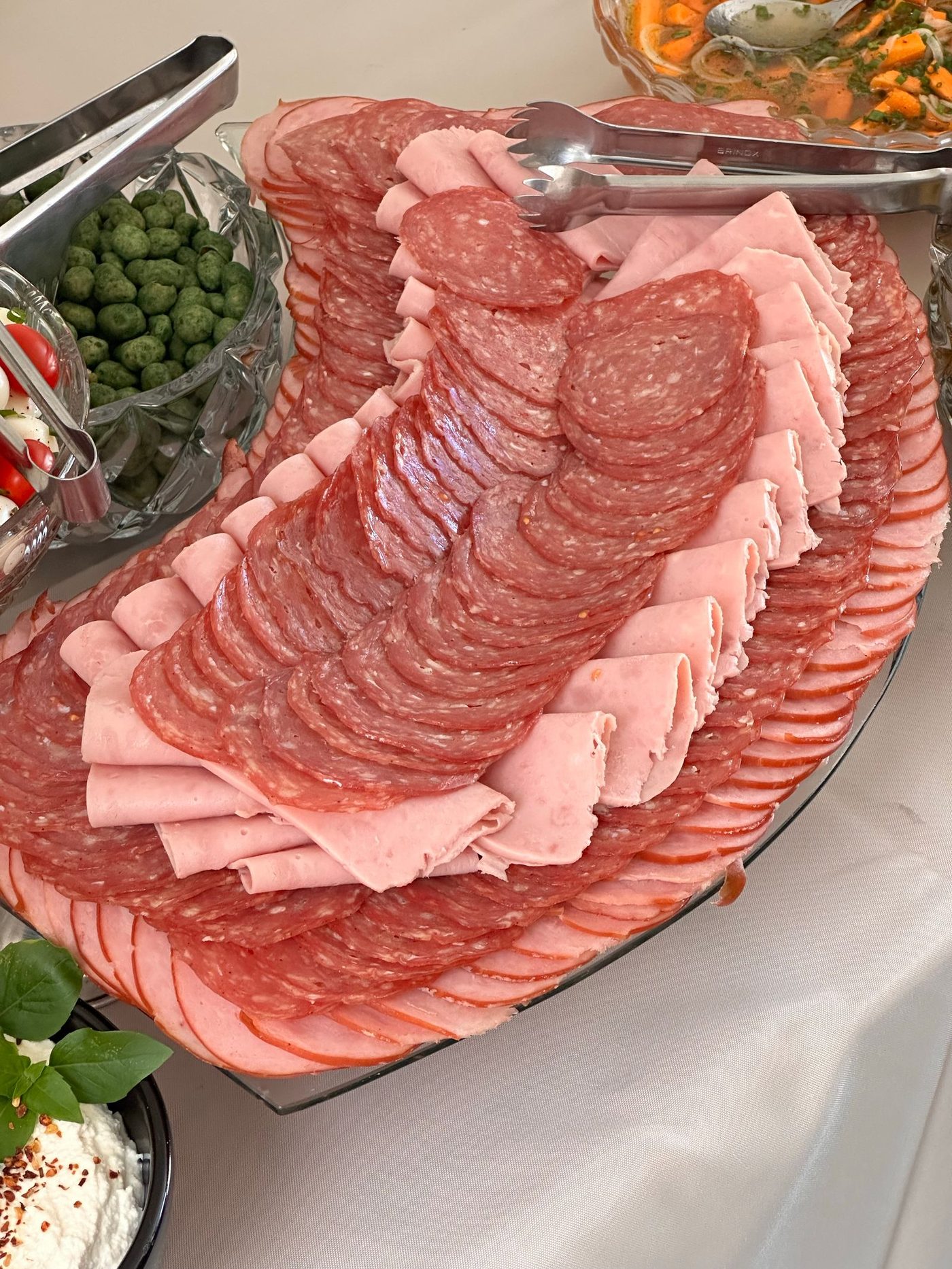
WHO points to raw or undercooked ground meat, raw milk, contaminated vegetables (sprouts, spinach, lettuce) and contaminated water sources.
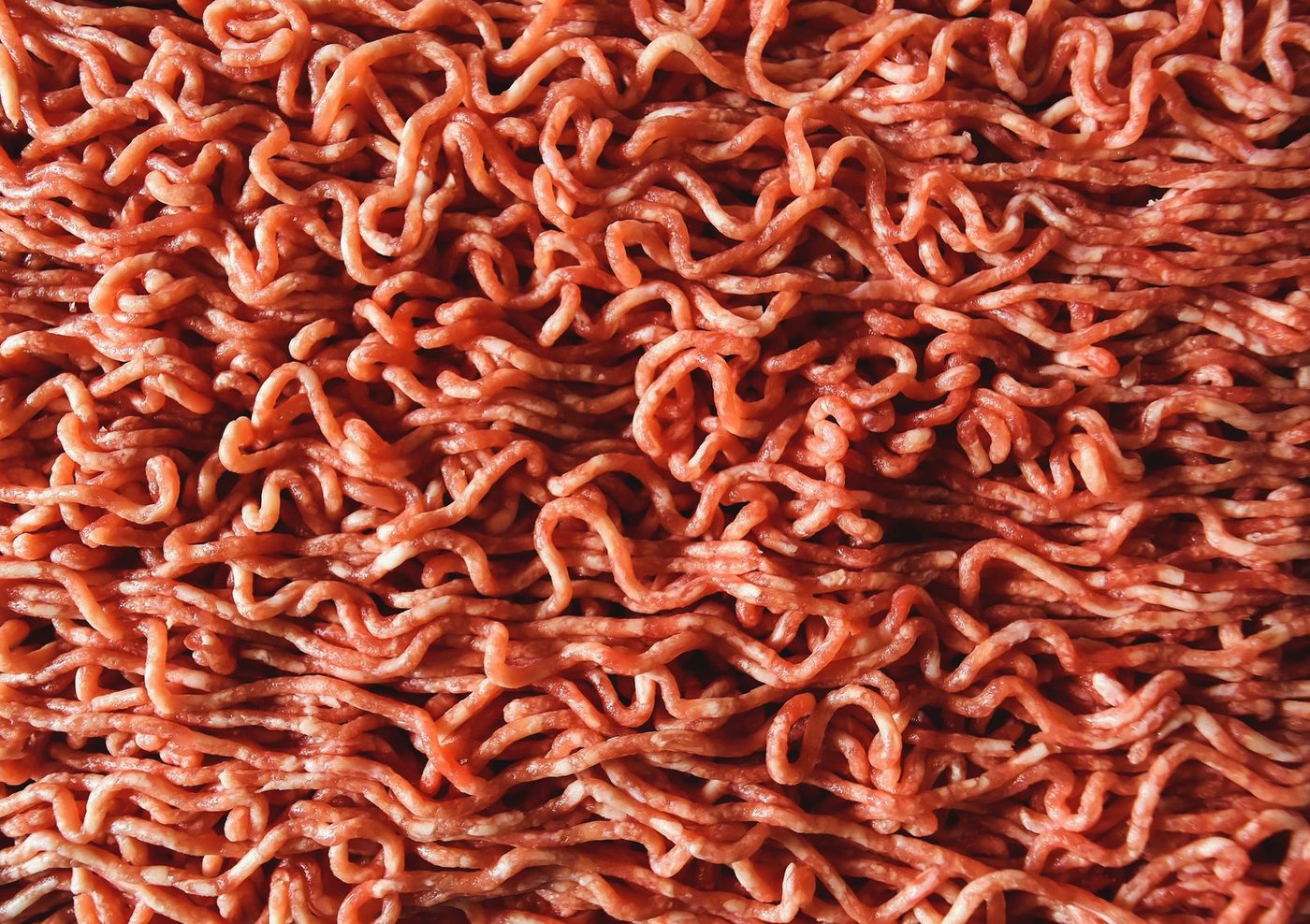
Minced meat is a special case: in a whole cut, surface bacteria are killed by cooking, but when the meat is minced the surface bacteria are distributed throughout the product. So “rare in the middle” in a minced product means the bacterium has stayed alive.
The one hard number in the kitchen: 70 °C
WHO states that STEC is destroyed by thorough cooking of foods until all parts reach a temperature of 70 °C or higher. “All parts” means the core temperature has to be measured; a browned surface is not evidence.
For those at risk WHO also advises avoiding raw or undercooked meat, raw milk and products made from raw milk: young children, the elderly and immunocompromised people.
Which catalogue parameter tells you what?
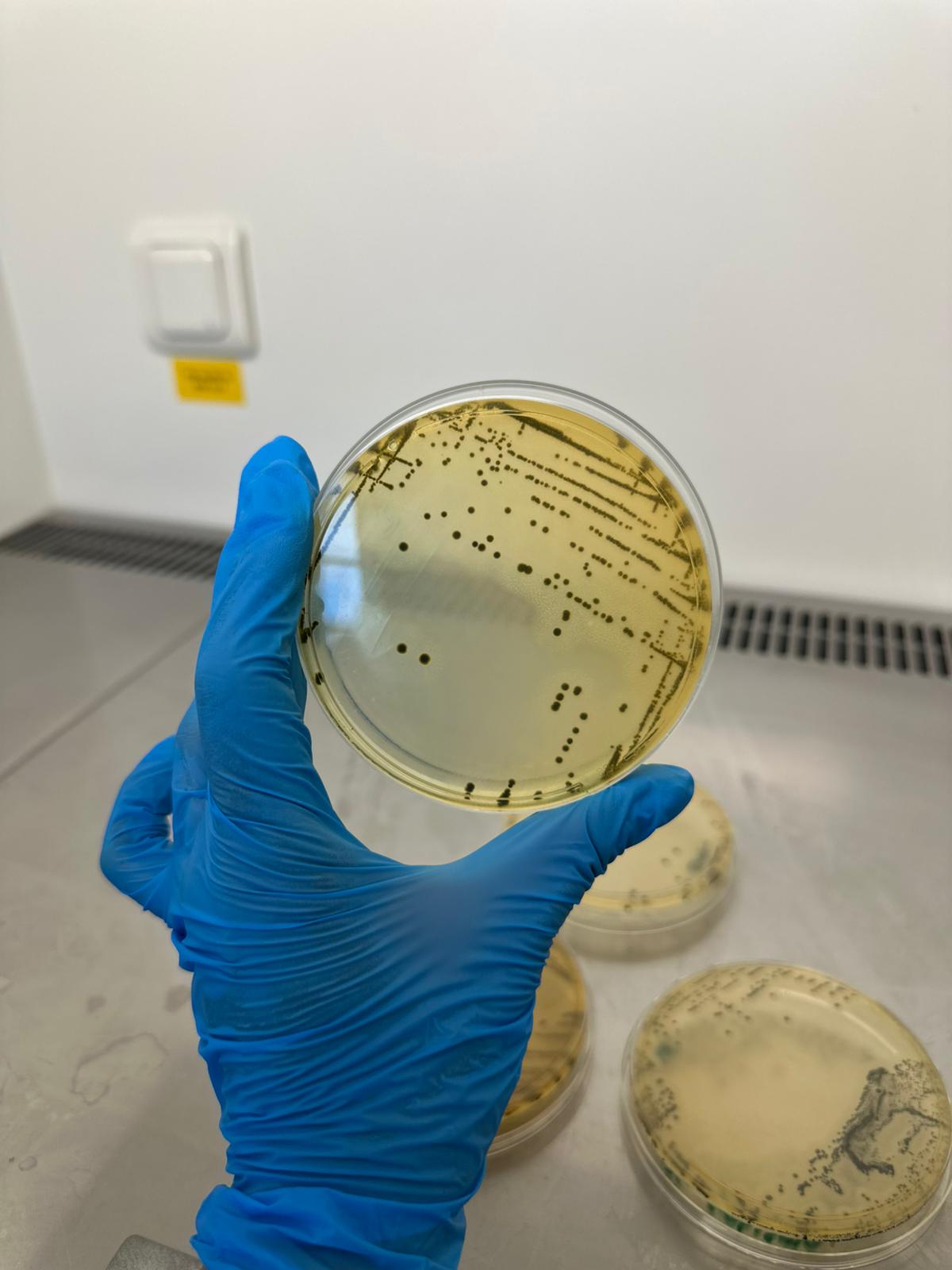
Detection of E. coli O157 targets the presence of that specific serotype; the result is present/absent. Enumeration of E. coli is a general indicator of faecal contamination: a rising count says that faecal contamination has entered somewhere in production hygiene, but does not prove that O157 is present.
Enumeration of Enterobacteriaceae is one step broader and is usually monitored as a process hygiene indicator. The three parameters do not substitute for one another; read together they answer “is there a problem, where, and how serious”.
Sources
- [1] E. coli — fact sheet — Dünya Sağlık Örgütü (WHO) (retrieved 31 August 2026)
- [2] Turkish Food Codex Regulation on Microbiological Criteria (Official Gazette, 13 February 2025, No. 32812) — Resmî Gazete (retrieved 31 August 2026)
The medical and legal information in this article is taken from the sources listed above and is not diagnostic or treatment advice. Figures are reproduced as published in those sources.