
Why is it tested?
Because contaminated food cannot be told apart by taste or smell, and by the time symptoms appear the chance to sample has passed.
How does the illness develop?
According to the World Health Organization fact sheet, the illness begins 6–72 hours after the contaminated food is eaten, usually within 12–36 hours. It presents as fever, abdominal pain, diarrhoea, nausea and vomiting, and lasts 2–7 days.
That delay is the detail that matters most in food safety: a day and a half can pass between the moment a problem is noticed at a business and the moment a sample could have been taken. The batch has been eaten, the containers washed, the counter cleaned. Producing evidence after the fact is usually impossible.
Which foods carry it?
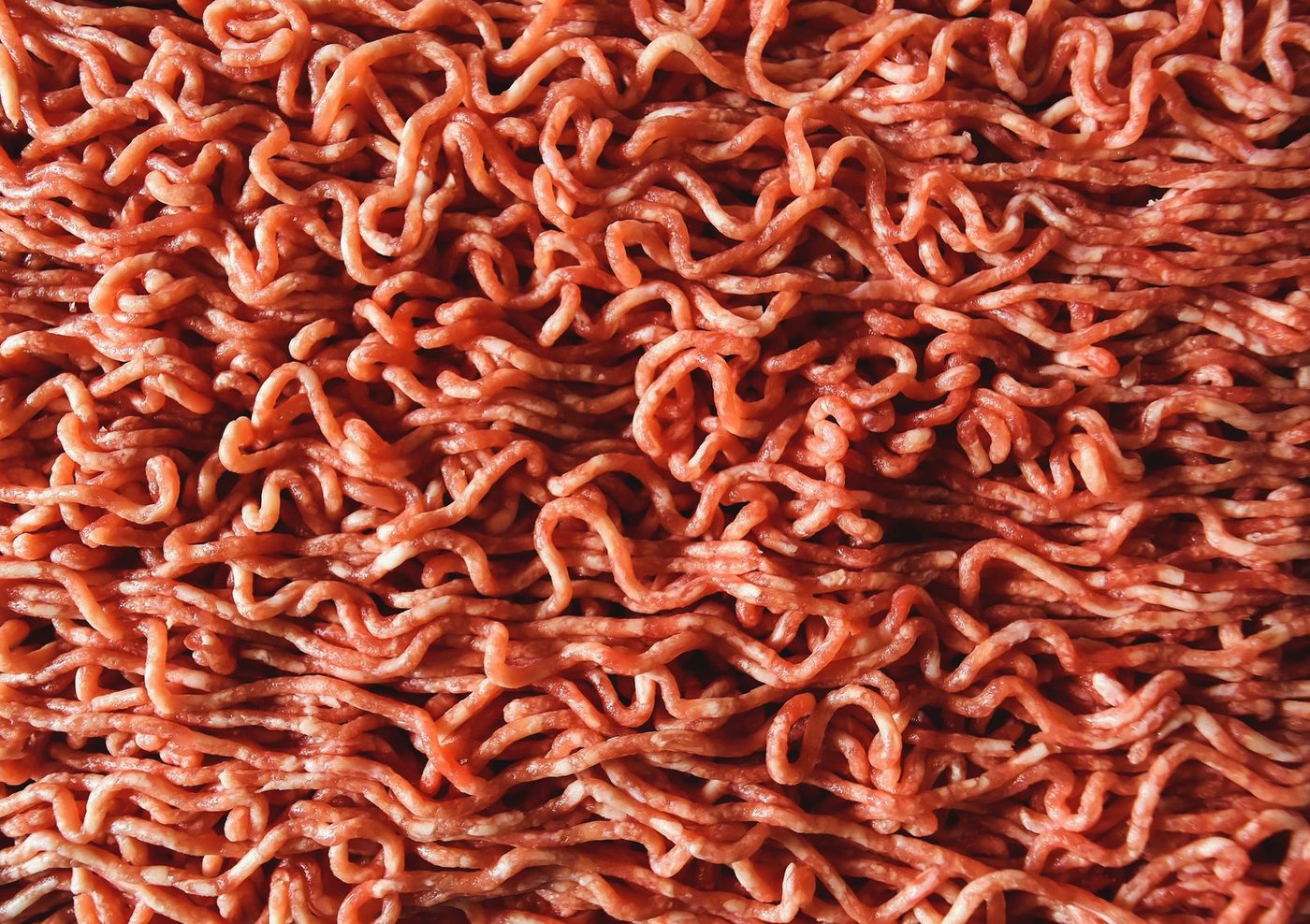
WHO states that transmission occurs mainly through contaminated food of animal origin — particularly eggs, meat, poultry and milk — and through contaminated vegetables. It can also spread person to person by the faecal–oral route and through contact with infected animals, particularly pets.
That list points directly at where the risk concentrates in a hotel kitchen or a catering operation: sauces made with raw egg, undercooked poultry, and preparation areas where raw and cooked products share the same surface.
For whom is it more than a mild upset?
According to WHO, most cases of salmonellosis are mild. However, the disease can be severe in the young, the elderly and patients with weakened immunity, and severe dehydration can become life-threatening.
Given the guest profile of an accommodation business, that group is not theoretical: children, elderly guests and people with chronic illness all eat from the same buffet.
What does the laboratory do?
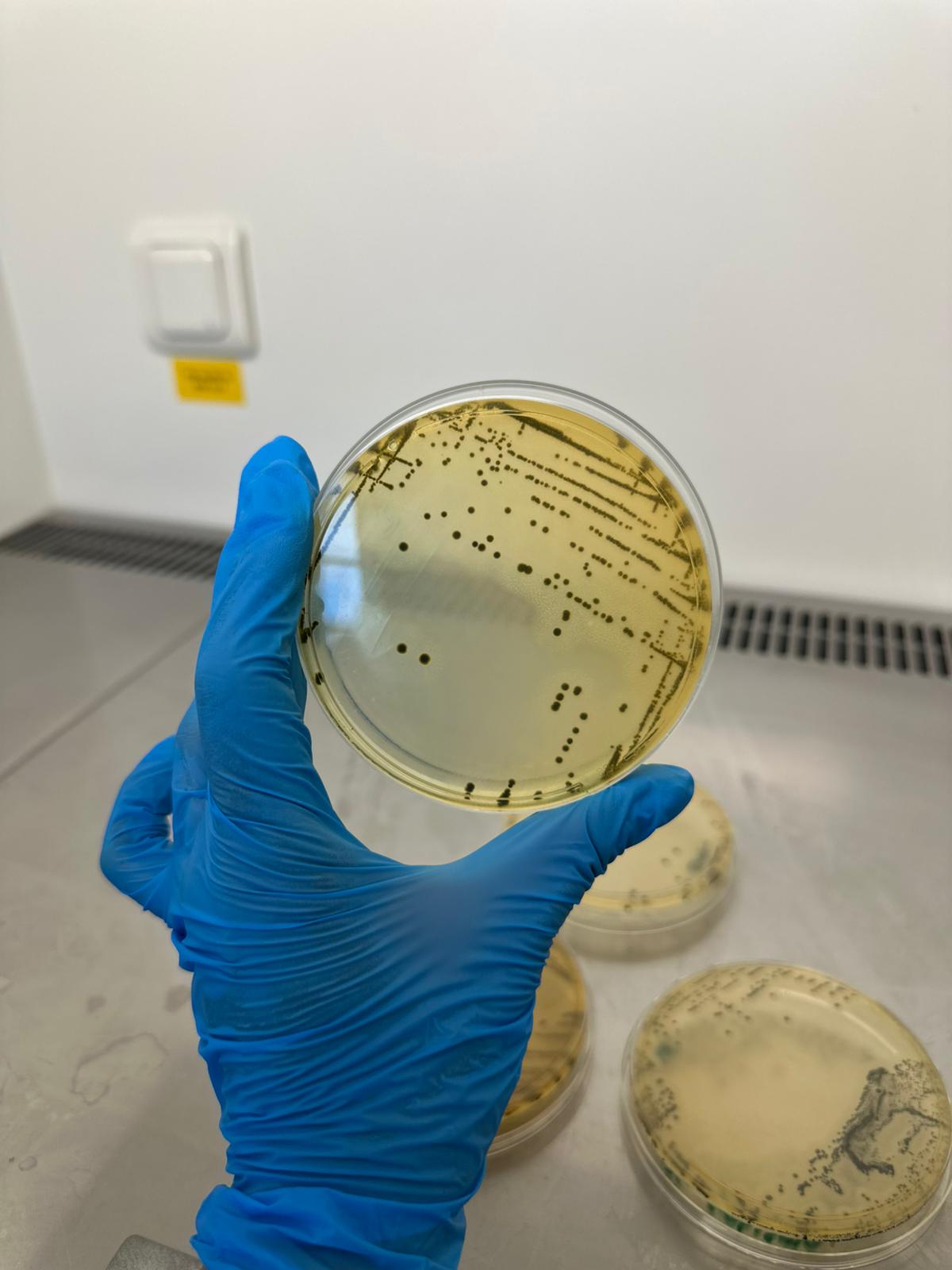
Salmonella is not counted, it is looked for: the result is not “how many” but “present” or “absent”. The reason is that no tolerance is defined for this agent in the food safety criteria — in the food safety criteria annex of the Turkish Food Codex Regulation on Microbiological Criteria, the parameter, the food category and the sampling plan are defined together.
Lab Premium’s scope covers detection of Salmonella both by the reference culture method and with a rapid screening kit. The rapid method exists to give an early first answer when production has to wait; a positive finding is confirmed by the reference method.
A result represents the batch the sample was taken from. That makes the sampling plan as important as the result itself: a “compliant” result from the wrong point does not show that the facility is clean.
Sources
- [1] Salmonella (non-typhoidal) — fact sheet — Dünya Sağlık Örgütü (WHO) (retrieved 31 August 2026)
- [2] Turkish Food Codex Regulation on Microbiological Criteria (Official Gazette, 13 February 2025, No. 32812) — Resmî Gazete (retrieved 31 August 2026)
The medical and legal information in this article is taken from the sources listed above and is not diagnostic or treatment advice. Figures are reproduced as published in those sources.