Why is it tested?
Because once the toxin has formed, cooking does not solve the problem; the only way is to prevent it forming — and to measure whether it did.
Why is the toxin heat-resistant?
According to the FDA’s Bad Bug Book, several staphylococcal species have the ability to produce highly heat-stable enterotoxins that cause gastroenteritis in humans. These toxins are also resistant to proteolytic enzymes such as trypsin and pepsin, which allows them to pass intact through the digestive tract.
The consequence for a kitchen is critical: even if the food is thoroughly cooked and the bacterium is killed, toxin that formed earlier keeps working. The reasoning “we heated it, so it is safe” does not hold for this agent.
How much toxin is enough?
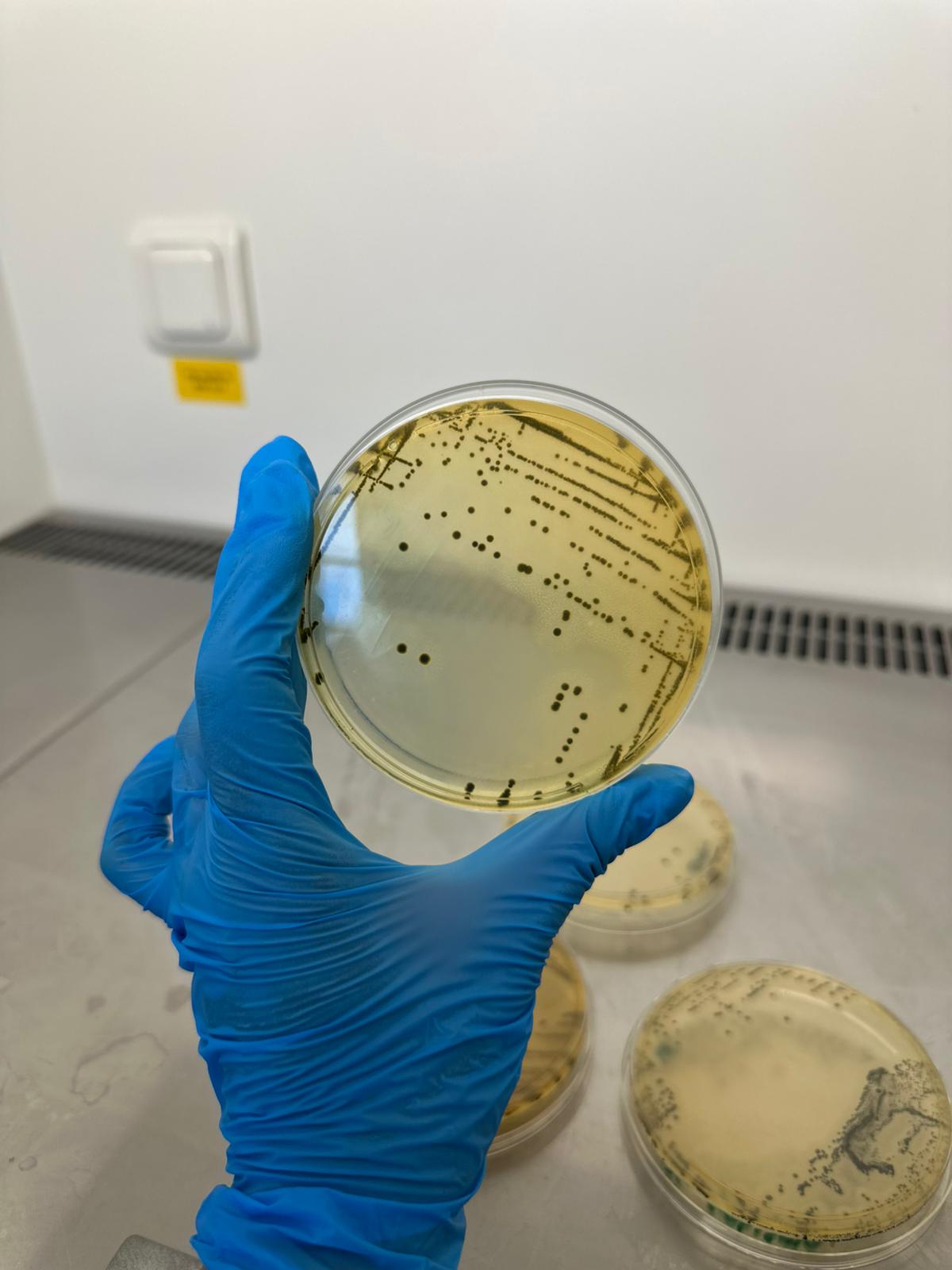
The Bad Bug Book states that the intoxication dose of staphylococcal enterotoxin is less than 1.0 microgram. That level is reached when the S. aureus population in the food exceeds 100,000 organisms per gram — a level regarded as indicative of unsanitary conditions in which the product can be rendered injurious to health.
In highly sensitive people, ingestion of 100 to 200 nanograms of enterotoxin can cause symptoms. Onset is usually rapid: 1 to 7 hours.
The source carries an important caveat too: the S. aureus population at the time of analysis may be significantly different from the highest population the product ever reached. A low count therefore does not prove that no toxin formed — which is why testing directly for the enterotoxin is a separate parameter.
In which foods, under what conditions?
According to the Bad Bug Book, staphylococci are widely distributed in the environment: they can be found in air, dust, sewage, water, milk, food, on food equipment, environmental surfaces, humans and animals.
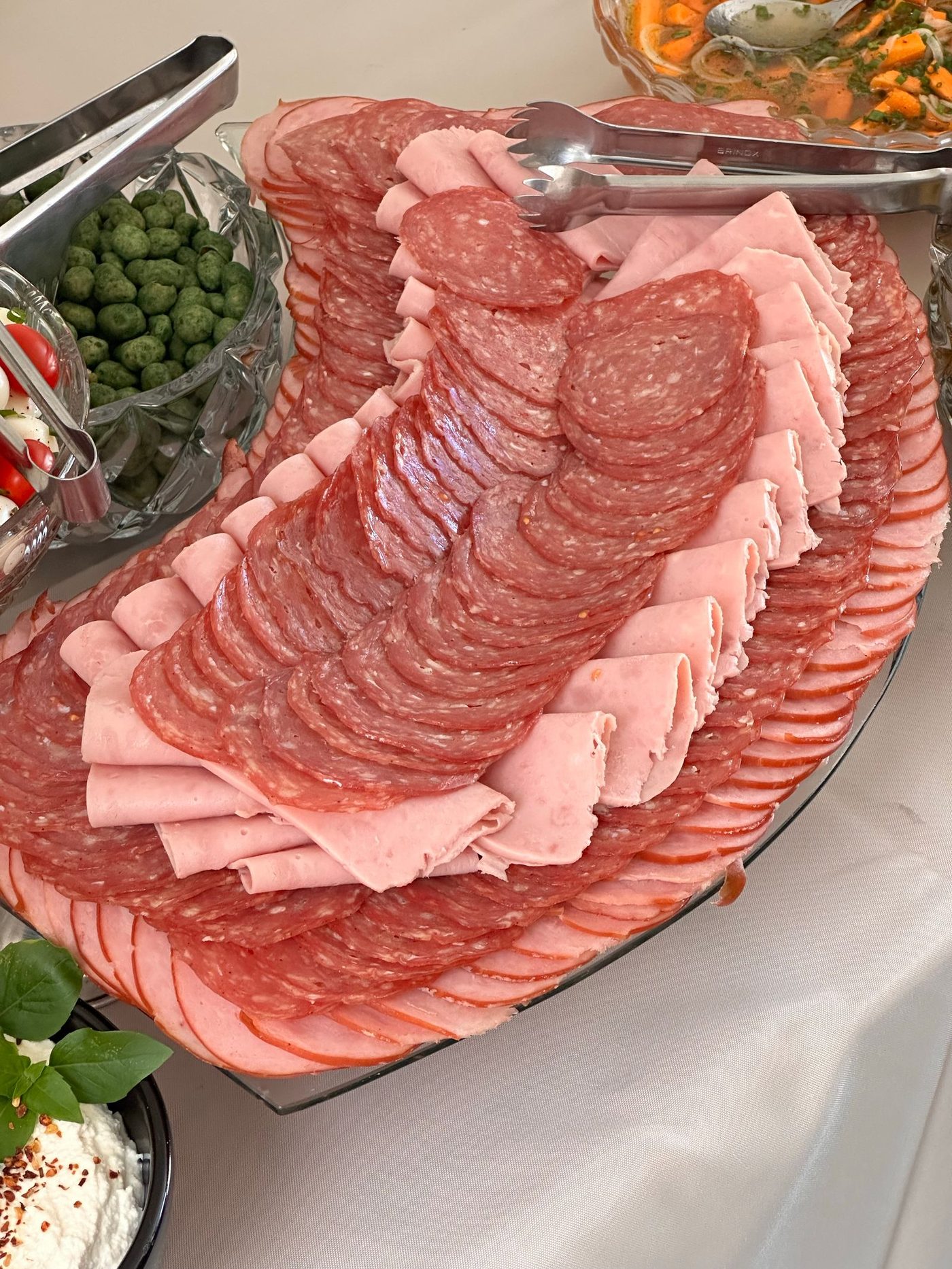
Foods frequently implicated: meat and meat products; poultry and egg products; egg, tuna, chicken, potato and macaroni salads; bakery products such as cream-filled pastries, cream pies and chocolate éclairs; sandwich fillings; and milk and dairy products.
The common condition is also defined: foods that require considerable handling during preparation and are kept slightly above proper refrigeration temperatures for an extended period afterwards. The bacterium grows between 7 and 47.8 °C with an optimum of 35 °C; it is highly tolerant of salt and sugar and can grow at water activity as low as 0.83.
This points to the risk lying less in poor raw material than in temperature discipline and personnel hygiene. Surface and hand hygiene sampling is therefore planned together with product testing.
Death is rare, but not zero
The Bad Bug Book states that death from staphylococcal food poisoning is uncommon, although it has occurred among the elderly, infants and severely debilitated people.
On scale, the source reports the estimate of the US Centers for Disease Control and Prevention: approximately 241,188 illnesses, 1,064 hospitalisations and 6 deaths each year in the United States. The source adds that the true incidence is unknown, since many people do not seek medical attention because the illness is short-lived.
Sources
- [1] Bad Bug Book — Foodborne Pathogenic Microorganisms and Natural Toxins (2nd edition) — ABD Gıda ve İlaç Dairesi (FDA) (retrieved 31 August 2026)
- [2] Turkish Food Codex Regulation on Microbiological Criteria (Official Gazette, 13 February 2025, No. 32812) — Resmî Gazete (retrieved 31 August 2026)
The medical and legal information in this article is taken from the sources listed above and is not diagnostic or treatment advice. Figures are reproduced as published in those sources.