Why is it tested?
Because these bacteria are natural inhabitants of seawater; they can be present without the product being spoiled, and chilling does not reliably remove them.
Vibrio cholerae: within hours
According to the World Health Organization, cholera spreads through consuming food or water contaminated with Vibrio cholerae; only serogroups O1 and O139 cause outbreaks. Symptoms appear 12 hours to 5 days after infection.
The presentation is “severe acute watery diarrhoea, which can be fatal within hours if untreated”. Most infected people have mild to moderate symptoms; some develop life-threatening dehydration.
With proper care the picture reverses: WHO states the case fatality rate in treatment centres should remain below 1%. The global burden is estimated at 1.3 to 4.0 million cases and 21 000 to 143 000 deaths each year.
One detail matters for a food business: WHO notes that most people infected do not develop symptoms but can spread the bacteria through their faeces for 1–10 days. A symptom-free member of staff can be a carrier.
Vibrio parahaemolyticus: the sea’s own bacterium
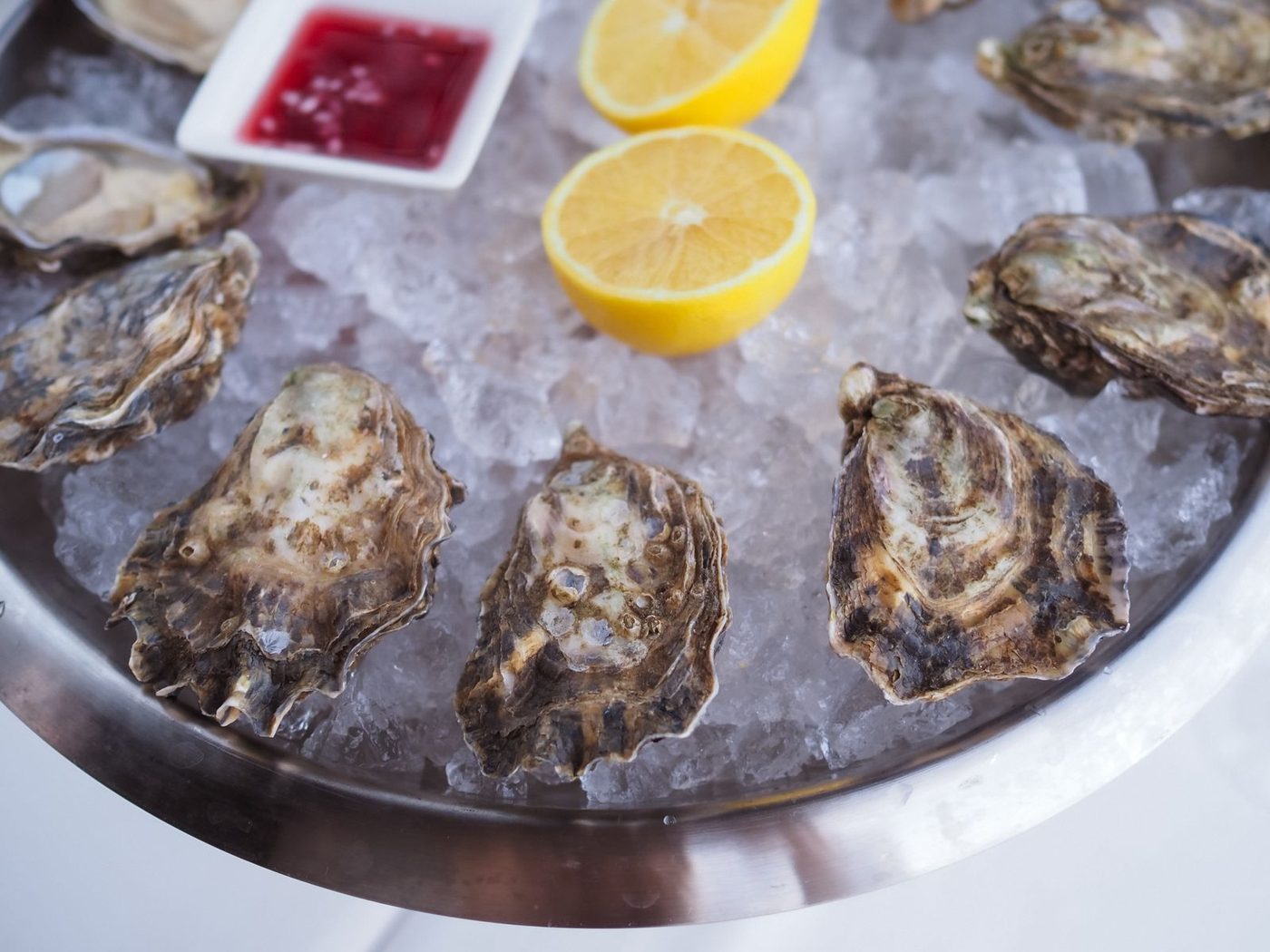
According to the FDA’s Bad Bug Book, this bacterium is frequently isolated from the estuarine and marine environments of tropical-to-temperate coastal areas worldwide and from seafood harvested there. Its presence is not a contamination accident but the environment’s normal state.
Optimal growth temperatures are 20–35 °C; it can grow up to 41 °C. It is slowly inactivated below 10 °C. It is lysed almost immediately in freshwater, so it is not usually transmitted by the faecal–oral route.
The incubation period is 4 to 90 hours, with a mean of 17 hours. Symptoms may include diarrhoea, abdominal cramps, nausea, vomiting, fever and bloody diarrhoea; the median duration is 2 to 6 days.
In whom does it become severe?
According to the Bad Bug Book, gastroenteritis caused by V. parahaemolyticus is usually mild or moderate, and fewer than 40% of reported cases require hospitalisation or antibiotic treatment. Death occurs in approximately 2% of gastroenteritis cases.
But the organism can also cause septicaemia in susceptible people, and there 20% to 30% of cases are fatal. Those at risk include people with diabetes, liver disease, kidney disease, cancer, AIDS or other conditions causing immunocompromise, and those on immunosuppressive medication.
There is a non-food route as well: the organism can cause wound infections, either through exposure of a pre-existing wound to contaminated marine or estuarine water or through wounds incurred while handling fish, shellfish and crustaceans.
Temperature is decisive for both agents. V. parahaemolyticus grows fastest between 20 and 35 °C; the longer seafood stands on the counter, the greater the risk. The cold chain here is not a comfort but a control point.
Sources
- [1] Cholera — fact sheet — Dünya Sağlık Örgütü (WHO) (retrieved 1 September 2026)
- [2] Bad Bug Book — Foodborne Pathogenic Microorganisms and Natural Toxins (2nd edition) — ABD Gıda ve İlaç Dairesi (FDA) (retrieved 31 August 2026)
The medical and legal information in this article is taken from the sources listed above and is not diagnostic or treatment advice. Figures are reproduced as published in those sources.