Why is it tested?
Because a mould count warns that drying and storage conditions have slipped, before the product visibly spoils.
What does a mould count measure?
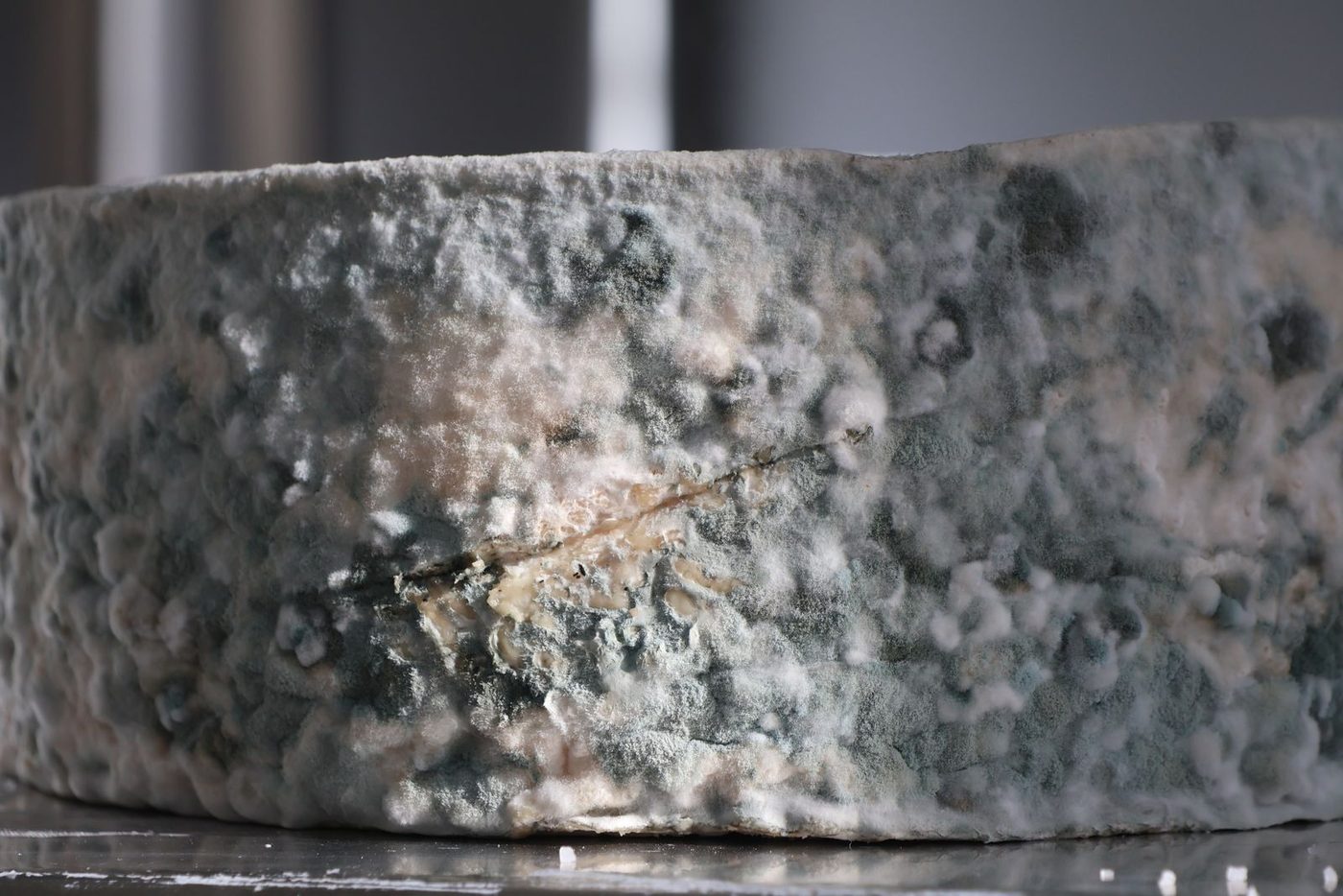
A mould and yeast count is not a search for a pathogen. It mirrors the product’s water activity, how well it was dried and how it is stored: a rising count means moisture has come back somewhere.
The World Health Organization’s mycotoxin fact sheet gives the effective measure against mould growth in a single sentence: efficient drying of commodities and maintenance of the dry state, or proper storage. A mould count is, in effect, a measurement of storage conditions.
The real risk is not the mould but the toxin it leaves behind
According to WHO, aflatoxins are among the most poisonous mycotoxins and are produced by certain moulds: Aspergillus flavus and Aspergillus parasiticus. Large doses can be life threatening, usually through damage to the liver, and aflatoxins can cause liver cancer in humans.
Others target different organs. For ochratoxin A, in WHO’s wording, “the most sensitive and notable effect is kidney damage”. Patulin causes nausea, gastrointestinal disturbances and vomiting. Fumonisins have been related to oesophageal cancer in humans, while trichothecenes can be acutely toxic, causing rapid irritation to the skin or intestinal mucosa and leading to diarrhoea.
And the critical sentence: according to WHO, most mycotoxins are chemically stable and survive food processing. Cooking, drying or cutting away the mouldy part does not remove a toxin that has already formed.
This is why a mould count is read as an early warning rather than a pass/fail test: if storage conditions are corrected as soon as the count starts to rise, the toxin never forms.
In which products is it looked for?
The foods WHO lists as commonly contaminated: cereals (corn, wheat, rice), nuts (peanuts, almonds, pistachios), dried fruits, spices, coffee beans and apples. Contamination can also be indirect — from animals fed contaminated feed, in particular through milk.
For a hotel kitchen or a catering operation that list points straight at the store room: the dry goods store, the spice shelf, the nut stock.
Mould, yeast, both — why three separate entries?
Our catalogue lists moulds, yeasts and “moulds and yeasts” as separate rows; parts 1 and 2 of the reference method ISO 21527 cover different water activity ranges. Which part applies is determined by the water activity of the product.
The compliance decision belongs to the regulation for the product category, not to the laboratory: the Turkish Food Codex Regulation on Microbiological Criteria defines its criteria together with the parameter, the food category and the sampling plan.
Sources
- [1] Mycotoxins — fact sheet — Dünya Sağlık Örgütü (WHO) (retrieved 1 September 2026)
- [2] Turkish Food Codex Regulation on Microbiological Criteria (Official Gazette, 13 February 2025, No. 32812) — Resmî Gazete (retrieved 31 August 2026)
The medical and legal information in this article is taken from the sources listed above and is not diagnostic or treatment advice. Figures are reproduced as published in those sources.